
Tailor Made Egypt Holiday with Nile Cruise
A tailor made Egypt holiday with Nile cruise combines Egypt’s essential historical sites with an itinerary designed around your own pace, interests, accommodation preferences, and travel dates. Instead of adapting your vacation to a fixed group schedule, you can build a journey through Cairo, Giza, Luxor, and Aswan while choosing the Nile cruise experience that suits you.
For travelers from the United States, this approach can be especially useful. A trip to Egypt involves a long international journey, several major destinations, and many archaeological sites worth seeing properly. Dahabiya Egypt Tours can help structure these elements into one personalized itinerary rather than treating Cairo, Upper Egypt, and the Nile as separate trips.
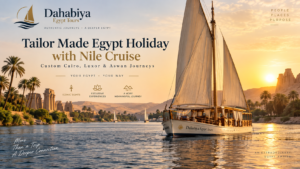
What Is a Tailor Made Egypt Holiday with Nile Cruise?
A tailor-made Egypt holiday is a private or customized itinerary created around the traveler rather than a predetermined tour schedule. It can combine private sightseeing, hotels, domestic transportation, guided archaeological visits, free time, and a Nile cruise between Luxor and Aswan.
The important difference is flexibility. A couple interested in archaeology may want longer visits to temples and tombs. A family may prefer shorter touring days and more downtime. A honeymoon itinerary might prioritize boutique accommodations and a quieter Dahabiya sailing experience.
The Nile cruise becomes part of a larger journey rather than the entire vacation. This allows travelers to experience Egypt’s different landscapes and historical periods in a logical sequence.
Why Include a Nile Cruise in a Custom Egypt Vacation?
A Nile cruise is one of the most practical ways to explore the ancient sites of Upper Egypt because several important monuments are located along or near the river between Luxor and Aswan.
Typical sightseeing can include Karnak Temple, Luxor Temple, the Valley of the Kings, Edfu Temple, Kom Ombo, and Philae Temple, depending on the cruise route and itinerary. Instead of repeatedly changing hotels, travelers return to their cabin after each day’s sightseeing.
The cruise also changes the rhythm of the trip. Cairo can be energetic and sightseeing-intensive, while time on the Nile provides quieter periods between archaeological visits.
A well-designed Egypt itinerary should balance monuments with enough time to absorb them. Adding more sites is not always better than creating a comfortable pace.
What Should a Tailor Made Egypt Itinerary Include?
For a first journey, a strong itinerary normally connects three major areas: Cairo and Giza, Luxor, and Aswan. The Nile cruise links many of the Upper Egyptian highlights naturally.
Cairo and the Pyramids of Giza
Cairo is usually the starting point for international travelers. The Giza Plateau provides the essential introduction to ancient Egypt, including the Great Pyramid, the other major pyramids, and the Great Sphinx.
A personalized Cairo program can also include Saqqara, historic districts, museums, local dining, markets, or additional archaeological sites according to the traveler’s interests.
Luxor and the Ancient City of Thebes
Luxor contains one of the greatest concentrations of ancient Egyptian monuments. On the East Bank, Karnak Temple and Luxor Temple introduce the religious landscape of ancient Thebes.
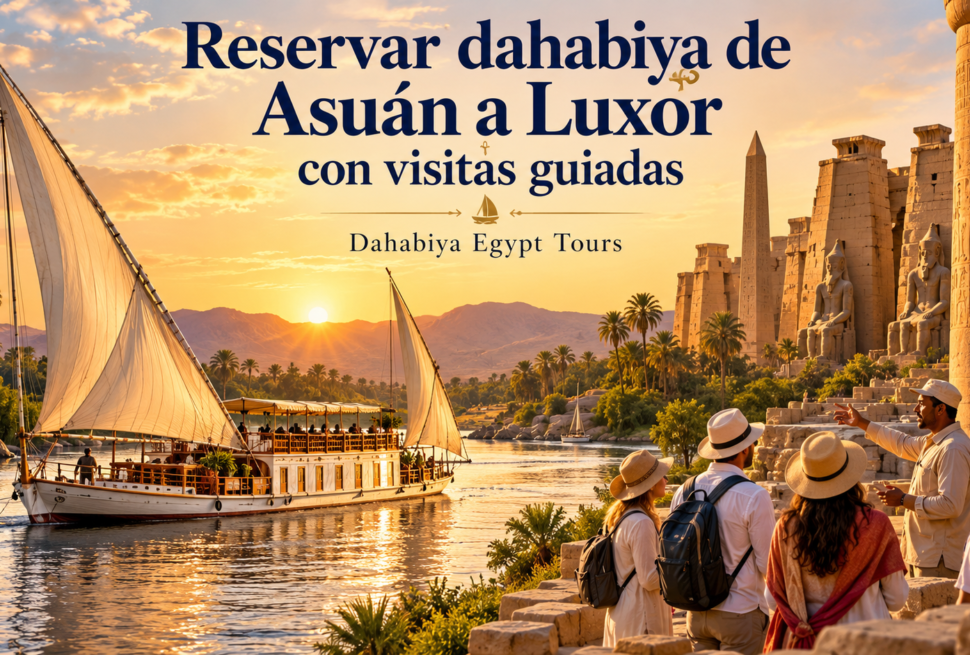
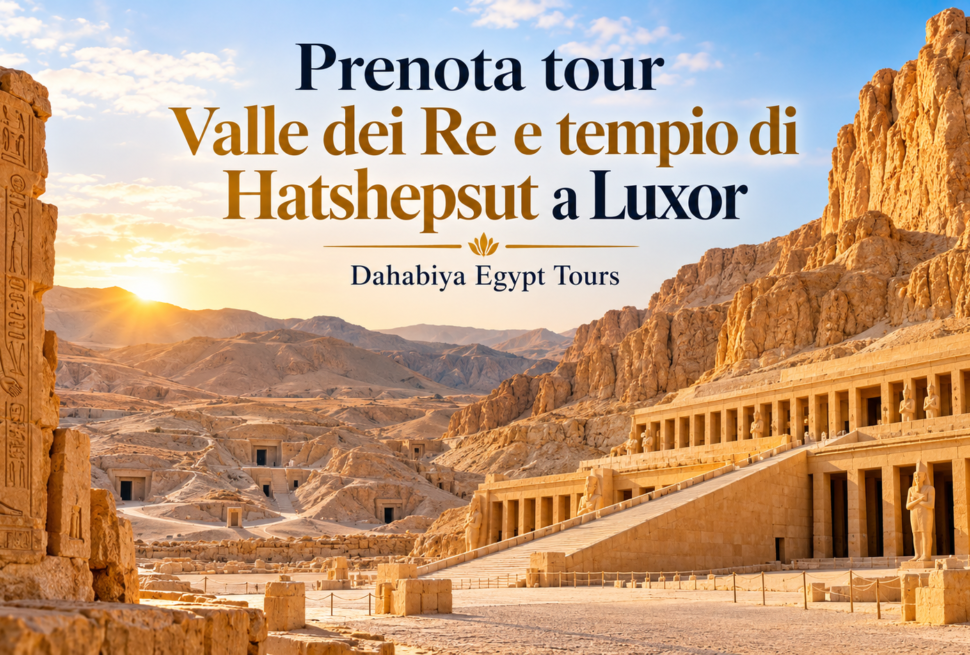
Across the Nile, the West Bank includes the Valley of the Kings, the Temple of Hatshepsut, and numerous tombs and archaeological sites. A private itinerary makes it easier to decide how deeply you want to explore instead of rushing through every stop.
The Nile Between Luxor and Aswan
The cruise section creates a natural transition between Luxor and Aswan. Routes commonly incorporate stops associated with sites such as Edfu and Kom Ombo while allowing time to enjoy the scenery of the Nile Valley.
Aswan and Nubian Egypt
Aswan has a noticeably different atmosphere from Cairo and Luxor. Islands, granite landscapes, Nubian heritage, and the Nile itself shape the experience.
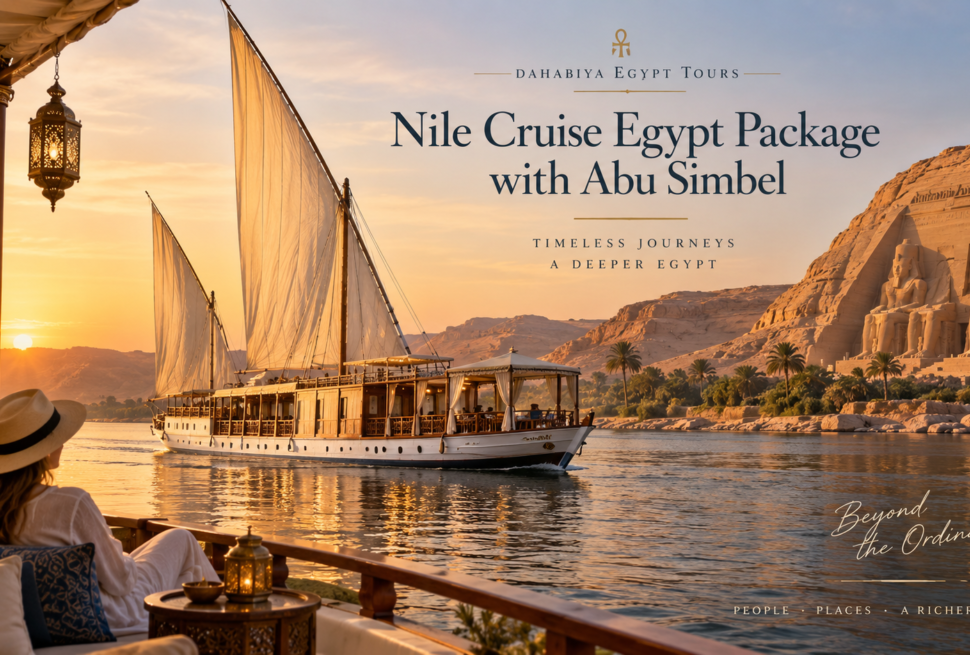
Philae Temple is one of the area’s major historical attractions. Travelers with sufficient time may also add Abu Simbel, which requires careful scheduling within the overall itinerary.
Traditional Nile Cruise or Dahabiya?
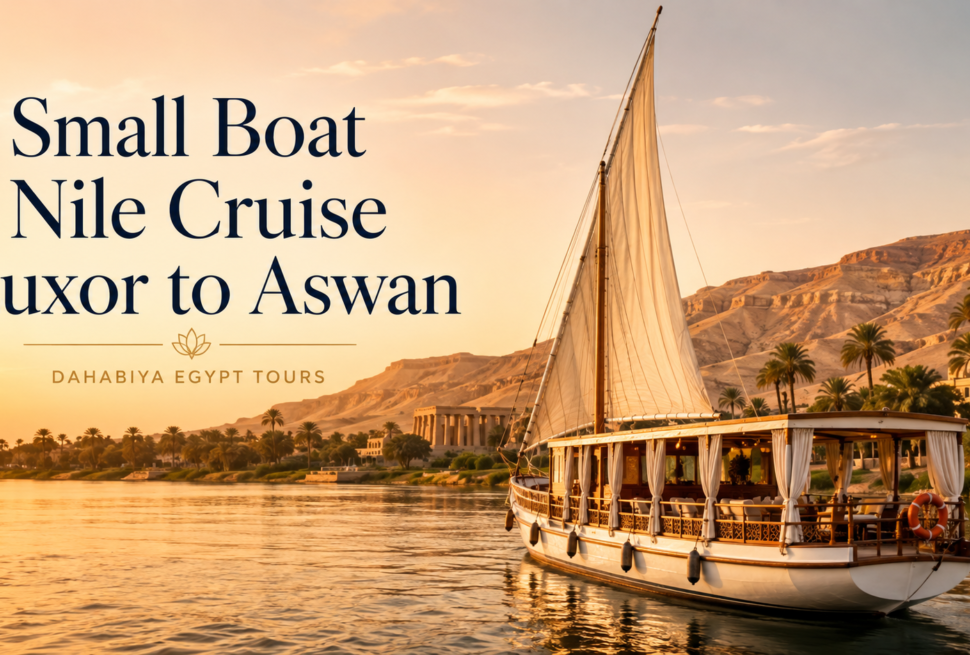
The right Nile experience depends on how you prefer to travel. Traditional Nile cruise ships and Dahabiyas can both connect the major destinations of Upper Egypt, but the atmosphere and style are different.
| Feature | Traditional Nile Cruise | Dahabiya |
|---|---|---|
| Travel style | Classic cruise experience | Smaller-scale sailing experience |
| Atmosphere | More social and structured | More intimate and relaxed |
| Schedule | Usually follows established cruise timings | Can offer a more flexible feel depending on the itinerary |
| Best suited to | Travelers who enjoy full-service cruise facilities | Travelers seeking quieter, slower-paced Nile travel |
| Experience | Convenient access to major sightseeing stops | Focus on the river, scenery, and a more personal atmosphere |
A Dahabiya can be particularly appealing within a bespoke Egypt vacation because its smaller scale complements the idea of slower, more personalized travel. A conventional cruise may suit travelers who prefer larger onboard facilities and a more structured program.
How Many Days Do You Need for Egypt and a Nile Cruise?
For many first-time visitors, around 9 to 12 days provides a practical balance between Cairo, a Nile cruise, Luxor, and Aswan without making every day feel rushed. Longer vacations can add Abu Simbel, Alexandria, the Red Sea, or additional free days.
A shorter itinerary is possible, but travel time matters. Visitors arriving from the United States should also consider jet lag and avoid scheduling an overly demanding sightseeing day immediately after a long international flight.
Sample 10-Day Tailor Made Egypt Itinerary
- Day 1: Arrive in Cairo, private transfer, and rest.
- Day 2: Explore the Pyramids of Giza and the Sphinx, with optional additional sightseeing.
- Day 3: Discover museums, historic Cairo, or Saqqara based on your interests.
- Day 4: Travel to Luxor and explore Karnak and Luxor Temple.
- Day 5: Visit the Valley of the Kings and major West Bank sites, then begin the Nile cruise.
- Day 6: Cruise through Upper Egypt with scheduled archaeological visits.
- Day 7: Continue sailing and explore sites along the Nile.
- Day 8: Reach Aswan and visit key Aswan attractions such as Philae Temple.
- Day 9: Enjoy Aswan, add Abu Simbel if appropriate, or choose a slower cultural experience.
- Day 10: Return to Cairo or connect with the next stage of the vacation.
This is only a framework. A genuinely tailor-made itinerary should change according to flight schedules, cruise dates, preferred pace, and personal interests.
Why Tailor-Made Travel Works Well for Visitors from the USA
Traveling from the United States to Egypt is different from taking a short regional vacation. Long-haul flights, time-zone changes, domestic connections, and multiple destinations make careful itinerary planning valuable.
A custom program allows American travelers to decide where comfort and convenience matter most. Some may prioritize private airport transfers and premium hotels. Others may prefer to spend more of their budget on private guiding, special archaeological visits, or a more intimate Nile cruise.
It also makes budgeting clearer. When requesting a proposal, ask what is included in the quoted price and which expenses remain separate. Depending on the program, these may include international airfare, domestic flights, entrance tickets, meals, gratuities, optional excursions, and personal expenses. see also.
U.S. travelers should confirm current passport, visa, entry, health, and travel-advisory information with official government sources before departure because requirements can change.
When Is a Good Time to Take a Nile Cruise?
Many travelers prefer Egypt’s cooler months for sightseeing because visiting outdoor temples, archaeological sites, and desert areas can be more comfortable than during the hottest part of the year.
October through spring is commonly popular for Nile travel, while summer can bring much higher daytime temperatures in Luxor and Aswan. The ideal month depends on your tolerance for heat, preferred crowd levels, budget, and available vacation dates.
If your schedule is fixed, a tailor-made itinerary can still improve comfort by arranging outdoor visits at sensible times of day and balancing them with indoor activities or rest periods.
How to Plan Your Custom Egypt Holiday Step by Step
- Choose your trip length. Decide how many total days you can spend in Egypt, including arrival and departure days.
- Set your priorities. List the places you consider essential, such as Giza, Luxor, Aswan, Abu Simbel, or the Red Sea.
- Select your Nile style. Compare a traditional cruise with a Dahabiya based on atmosphere, facilities, and pace.
- Decide your preferred hotel level. Accommodation choices can significantly influence the overall budget.
- Choose your sightseeing pace. Decide whether you prefer intensive historical touring or shorter visits with more leisure time.
- Clarify private services. Ask which transfers, guides, vehicles, entrance fees, and meals are included.
- Review the route logically. Reduce unnecessary backtracking between Cairo, Luxor, and Aswan.
- Leave some breathing room. A flexible afternoon can make a long multi-city trip considerably more enjoyable.
Benefits of a Private, Customized Egypt Tour
- More control over pace: Spend longer at the places that interest you instead of following a large group’s timetable.
- Better itinerary flow: Hotels, transfers, sightseeing, domestic transportation, and cruising can be coordinated as one journey.
- Personalized interests: Focus on archaeology, photography, culture, food, family travel, or relaxation.
- Choice of cruise style: Match the Nile experience to the atmosphere you want rather than accepting a standard package.
- More useful free time: Build independent exploration and rest into the itinerary instead of filling every hour.
- Easier trip planning: One coherent plan reduces the number of separate bookings that must be coordinated.
Why Consider Dahabiya Egypt Tours?
Travelers searching for a tailor made Egypt holiday with Nile cruise usually need more than a list of famous attractions. The real challenge is coordinating the route so that international arrival, Cairo sightseeing, domestic travel, Nile sailing, Luxor, and Aswan work comfortably together.
Dahabiya Egypt Tours provides a natural starting point for travelers who want to discuss a customized Egypt itinerary rather than simply purchase a fixed sightseeing schedule. Your request can be built around the length of your vacation, preferred travel pace, accommodation level, desired cruise style, and the historical or cultural experiences that matter most to you.
When requesting a proposal, be specific. Mention your travel dates, number of travelers, preferred room arrangements, approximate hotel category, must-see sites, interest in a Dahabiya or traditional cruise, and whether you want additional destinations. Better information at the beginning usually leads to a more relevant itinerary.
Practical Tips Before Booking Your Egypt Vacation
Ask for a detailed itinerary rather than relying only on a package name. You should be able to see where you will sleep each night, how you will move between destinations, when the cruise begins and ends, and which sightseeing visits are planned.
Check what “private” means within the proposal. Private land transportation and private guided sightseeing do not necessarily mean that the cruise vessel itself is privately chartered.
Also consider the physical pace of the trip. Archaeological sites can involve walking, uneven surfaces, stairs, heat, and early starts. Travelers with mobility concerns should raise them while the itinerary is being designed, not after reservations are complete.
Finally, keep some flexibility. Egypt contains enough historical sites to fill weeks of travel, but a memorable vacation does not require visiting every possible monument.

Common Mistakes to Avoid
- Trying to see too much: Packing every major attraction into a short trip can turn the vacation into a sequence of transfers.
- Choosing a cruise only by price: Cabin type, vessel style, route, meals, service level, and included excursions all matter.
- Ignoring travel time: Moving between Cairo and Upper Egypt must be incorporated realistically into the schedule.
- Not checking inclusions: Confirm transportation, guiding, entrance fees, meals, domestic travel, and optional tours.
- Overlooking jet lag: American travelers may appreciate a lighter first day after arriving in Egypt.
- Assuming every Nile experience is identical: Traditional cruise ships, Dahabiyas, and short felucca experiences offer different styles of travel.
Build an Egypt Trip Around the Way You Want to Travel
A tailor made Egypt holiday with Nile cruise works best when the itinerary connects Egypt’s headline attractions without sacrificing comfort, context, or personal choice. Cairo and Giza introduce the scale of ancient Egypt, Luxor brings its temples and royal tombs to life, and Aswan offers a calmer southern landscape. The Nile ties those experiences together.
The goal is not simply to create a longer list of attractions. It is to choose the right places, the right cruise style, and the right pace for your available time.
If you are planning an Egypt vacation from the United States, contact Dahabiya Egypt Tours with your dates, preferred trip length, travel style, and must-see destinations. From there, you can shape a personalized itinerary that brings Cairo, Luxor, Aswan, and the Nile together in one well-planned journey.
Frequently Asked Questions About Tailor Made Egypt Holidays
1. What is a tailor made Egypt holiday with Nile cruise?
It is a customized Egypt itinerary combining destinations such as Cairo, Luxor, and Aswan with a Nile cruise, while adapting hotels, sightseeing, transportation, pace, and activities to your preferences.
2. How many days should I spend in Egypt with a Nile cruise?
About 9 to 12 days is a practical range for many first-time travelers who want Cairo plus Luxor, Aswan, and a Nile cruise without making the itinerary excessively rushed.
3. Where do most Nile cruise itineraries travel?
The classic Upper Egypt cruise route operates between Luxor and Aswan, with sightseeing opportunities at major historical sites along the Nile.
4. Is a Dahabiya the same as a standard Nile cruise?
No. A Dahabiya is a smaller sailing vessel offering a more intimate atmosphere, while traditional Nile cruise ships are generally larger and follow a more structured cruise format.
5. Can I combine Cairo with a Nile cruise?
Yes. Cairo and Giza are commonly combined with Luxor, Aswan, and a Nile cruise to create a comprehensive first-time Egypt itinerary.
6. Can Abu Simbel be added to a tailor-made Egypt trip?
Yes. Abu Simbel can be added when the itinerary allows enough time, but its transportation and timing should be planned carefully around Aswan and the cruise schedule.
7. When is a good season for a Nile cruise?
Many visitors prefer the cooler months from fall through spring because outdoor sightseeing in Luxor and Aswan can be more comfortable than during peak summer heat.
8. Are tailor-made Egypt tours suitable for families?
Yes. A custom itinerary can adapt sightseeing duration, hotel choices, free time, transportation, and activities to suit children, parents, or multigenerational groups.
9. What should I ask before booking a private Egypt tour?
Ask exactly which hotels, transfers, guides, sightseeing visits, entrance fees, meals, flights or trains, cruise services, and optional excursions are included in the quoted price.
10. How do I start planning with Dahabiya Egypt Tours?
Share your approximate dates, number of travelers, vacation length, preferred accommodation level, cruise preference, and must-see places so a suitable itinerary can be developed around your trip.