
Best Luxury Dahabiya Nile Cruise Egypt | 2026 Guide
Discover how to choose the best luxury Dahabiya Nile cruise in Egypt, with routes, cabin tips, itineraries and advice for European travellers.

Best Luxury Dahabiya Nile Cruise Egypt
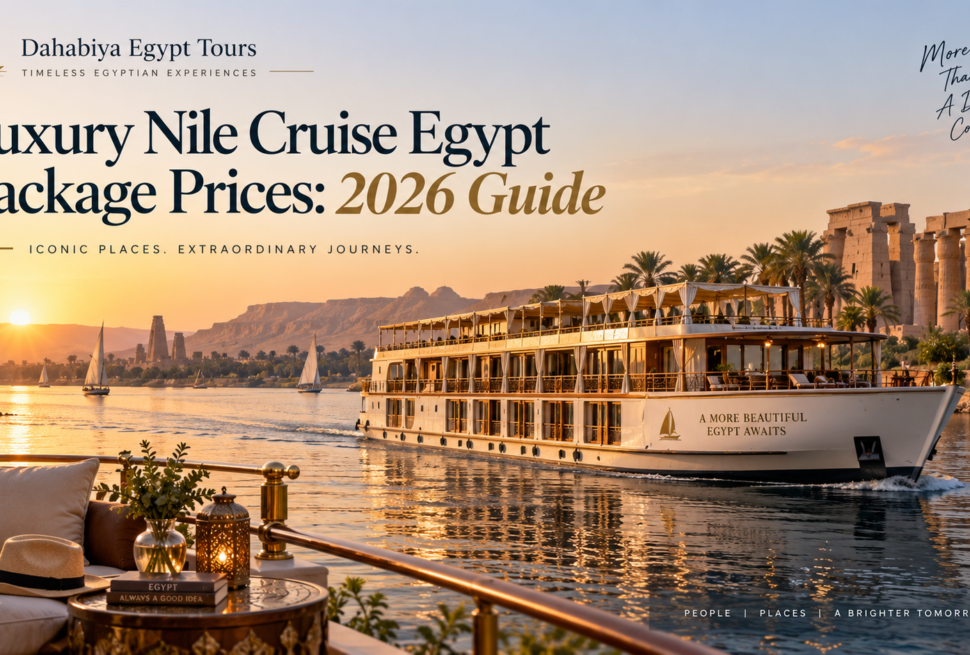
The best luxury Dahabiya Nile cruise in Egypt combines a small-scale sailing experience, comfortable accommodation, expert-guided sightseeing and enough time to appreciate the Nile without rushing from one major attraction to another. For European travellers seeking something quieter and more personal than a conventional cruise ship, a Dahabiya offers an appealing way to explore Upper Egypt. Dahabiya Egypt Tours can help travellers compare routes and plan a journey around Luxor, Aswan and the archaeological sites between them.
Rather than choosing a cruise simply because it carries a “luxury” label, travellers should compare the vessel, cabin standards, itinerary, number of passengers, sightseeing programme, meals, guiding arrangements and exactly what is included in the price.
What Is a Luxury Dahabiya Nile Cruise?
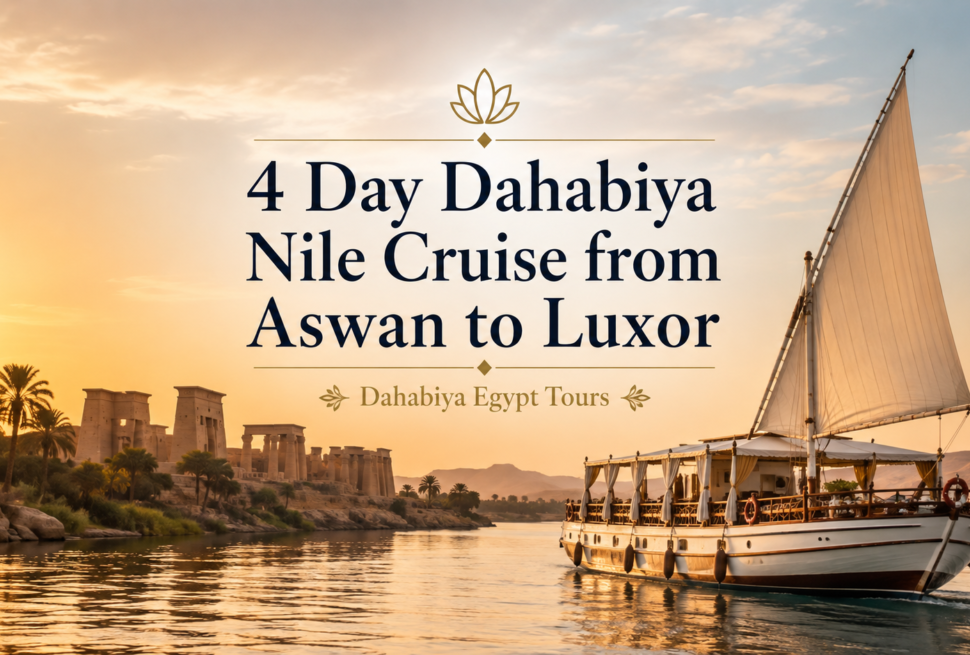
A Dahabiya is a traditional-style Nile sailing vessel designed for a slower and more intimate journey than a large cruise ship. Egypt’s official tourism portal specifically describes Dahabiyas as an intimate and exclusive way to sail between Luxor and Aswan, with the possibility of visiting places beyond the standard large-cruise itinerary.
Modern luxury Dahabiyas combine this traditional sailing concept with contemporary guest accommodation. The experience usually revolves around spacious deck areas, a limited number of cabins, relaxed meals and changing views of farms, palm groves, villages and desert landscapes along the Nile.
A great Dahabiya journey is not about travelling faster. Its appeal comes from experiencing the Nile at a more relaxed pace while still exploring the major archaeological highlights of Upper Egypt.
This distinction matters when searching for the best option. A beautifully decorated boat may look luxurious in photographs, but genuine comfort depends on operational details such as cabin design, cleanliness, service, guiding quality, itinerary planning and the amount of personal space available on board.
Why Choose a Dahabiya Instead of a Large Nile Cruise?
The main reason to choose a Dahabiya is intimacy. Travellers who prefer smaller groups, quieter evenings and more time on deck may find a Dahabiya better suited to their style than a large Nile vessel.
| Feature | Luxury Dahabiya | Large Nile Cruise Ship |
|---|---|---|
| Atmosphere | Quiet and intimate | More hotel-like and social |
| Passenger experience | Small-scale | Larger number of guests |
| Sailing style | Traditional sailing character | Motorised cruise experience |
| River stops | Potential for smaller or less conventional stops | Usually focused on established cruise docks |
| Dining | More intimate communal or personalised setting | Larger restaurant setting |
| Best suited to | Couples, private groups and slow-travel enthusiasts | Travellers wanting larger facilities and organised entertainment |
Neither format is automatically better. Travellers who want swimming pools, extensive entertainment and the facilities of a floating hotel may prefer a conventional Nile cruise. Those prioritising scenery, privacy and slower travel may prefer a Dahabiya.
What Makes the Best Luxury Dahabiya Nile Cruise in Egypt?
The best Dahabiya is not necessarily the most expensive vessel. It is the one that provides the strongest combination of comfort, itinerary quality, service and transparency.
1. A genuinely small-scale experience
Before booking, ask how many cabins and passengers the vessel accommodates. A smaller passenger count can create a more peaceful atmosphere and make shared areas such as the sun deck feel considerably more comfortable.
2. Comfortable cabins
Request recent photographs of the exact cabin category you are booking. Check the bed configuration, private bathroom, air conditioning arrangements, storage space and window design.
Do not rely only on photographs of the deck or exterior. Your cabin becomes especially important after long sightseeing days in Luxor, Edfu or Aswan.
3. A well-paced itinerary
A quality itinerary should leave enough time both for archaeological visits and for simply experiencing the river. Egypt’s official tourism information identifies the Luxor–Aswan corridor, including places such as Edfu and Kom Ombo, as one of the principal Nile cruising routes.
If every day is packed with transfers and sightseeing, much of the reason for choosing a Dahabiya disappears.
4. Knowledgeable guiding
Ancient Egyptian sites become significantly more meaningful when the historical context is explained clearly. Ask whether sightseeing includes a qualified Egyptologist or knowledgeable local guide and whether guiding is private or shared with other passengers.
5. Transparent inclusions
A professional quotation should explain accommodation, meals, sightseeing, entrance tickets, transfers, guiding and any services that require additional payment.
Clarity before booking is more valuable than a low headline price followed by unexpected extras.
Luxor to Aswan: The Classic Dahabiya Journey
The stretch of the Nile between Luxor and Aswan combines some of Egypt’s most significant archaeological landscapes with peaceful rural scenery. Official Egyptian tourism information confirms that private Dahabiyas can sail between these two destinations.
Luxor
Luxor provides one of the strongest historical starting points for a Nile journey. Ancient Thebes and its Necropolis is a UNESCO World Heritage property incorporating major monuments including Karnak and Luxor temples on the east bank and extensive archaeological areas on the west bank.
Travellers often combine their cruise with visits to locations associated with ancient Thebes before beginning the quieter journey south.
Esna and the Nile countryside
After leaving the urban surroundings of Luxor, the character of the journey changes. Agricultural land, villages, palm trees and desert edges become increasingly prominent. see also.
This is one of the moments when a small sailing vessel makes sense: the river itself becomes part of the experience rather than merely the transport between monuments.
Edfu
Edfu is one of the recognised stops on the Nile corridor between Luxor and Aswan. Its temple is frequently incorporated into Upper Egypt itineraries and gives travellers another opportunity to explore the religious architecture of ancient Egypt.
Kom Ombo
Kom Ombo lies north of Aswan and can be reached by Nile cruise, with Egypt’s official tourism guide noting that vessels can dock close to the temple area.
Its riverside setting makes it particularly suitable for a journey in which landscapes and archaeological sites are experienced together.
Aswan
Aswan offers a noticeably different atmosphere from Luxor. Official Egyptian tourism information highlights experiences around Elephantine Island and Philae Temple alongside the city’s markets and Nile scenery.
For many travellers, arriving in Aswan feels like a natural conclusion to the journey rather than simply another cruise-port stop.
Why a Luxury Dahabiya Appeals to European Travellers
European visitors often have limited holiday time but still want a trip that feels different from a conventional resort stay or large organised tour. A Dahabiya can combine cultural sightseeing with meaningful periods of relaxation.
It can be particularly attractive for:
- Couples planning a romantic journey through Egypt.
- Honeymoon travellers who value privacy.
- Mature travellers seeking a quieter cruising environment.
- Families arranging a private or small-group Egyptian itinerary.
- History enthusiasts who want both archaeological visits and time to absorb the landscape.
- Repeat visitors looking for a slower perspective on the Nile.
- Travellers who prefer boutique accommodation to large hotels or ships.
The strongest advantage is balance. Mornings may involve significant archaeological sites, while later hours can be spent watching the Nile from the deck instead of moving immediately to another attraction.

Private Dahabiya or Shared Luxury Cruise?
A private Dahabiya is usually the better choice for travellers who prioritise exclusivity and itinerary control, while a shared departure can offer the same style of sailing at a more accessible overall cost.
Choose a private charter when:
- You are travelling with family or friends.
- Privacy is a major priority.
- You want a honeymoon-style experience.
- You prefer more control over the atmosphere of the journey.
- You want arrangements tailored around your group.
Choose a shared departure when:
- You enjoy meeting other international travellers.
- You are travelling alone or as a couple.
- You want boutique cruising without chartering an entire vessel.
- You are comfortable following a predetermined itinerary.
Egypt’s Ministry of Tourism portal notes that private Dahabiyas can be chartered for sailing between Luxor and Aswan, confirming that private sailing is an established format on this route.
How to Choose the Best Dahabiya Cruise Step by Step
Use a structured comparison rather than choosing from photographs alone.
- Confirm the exact vessel. Ask for its name and recent photographs.
- Check passenger capacity. Understand how many guests will share the boat.
- Review your cabin category. Confirm bathroom, bedding, windows and climate control.
- Read the itinerary day by day. Look for a realistic balance between sailing and sightseeing.
- Confirm the guide arrangement. Ask whether excursions are private or shared.
- Check entrance fees. Determine which archaeological tickets are included.
- Review meals and drinks. Ask exactly what the meal plan covers.
- Confirm transfers. Check transportation to and from the embarkation points.
- Ask about optional excursions. Identify additional costs before arrival.
- Request written booking terms. Review cancellation, payment and itinerary-change conditions.
What Should Luxury Mean on a Dahabiya?
Luxury on the Nile should mean more than decorative furniture. The most valuable luxury features are usually space, attentive service, cleanliness, comfortable sleeping conditions, good food and thoughtful itinerary management.
Look for:
- Well-maintained cabins and bathrooms.
- Comfortable shaded and open deck seating.
- Freshly prepared meals.
- Professional housekeeping.
- Clear communication before departure.
- Thoughtful sightseeing schedules.
- Reasonable personal space for the number of guests.
- Professional guiding arrangements.
A vessel with extravagant décor but vague operational details should not automatically rank above a simpler boat offering stronger service and better itinerary planning.
When Is the Best Time for a Dahabiya Nile Cruise?
Weather should play an important role in choosing your travel dates because much of a Dahabiya experience takes place outdoors, especially on the deck and during archaeological visits.
European travellers should compare expected temperatures during their intended travel period with their personal tolerance for heat. Cooler months are generally attractive for extensive outdoor sightseeing, while warmer travel periods require more careful planning around midday temperatures.
Availability may also vary according to the season, so travellers with fixed European school holidays, Christmas travel dates or Easter plans should ask about departures well in advance rather than assuming that a specific vessel or cabin will remain available.
Why Consider Dahabiya Egypt Tours?
When evaluating a journey with Dahabiya Egypt Tours, the most useful approach is to request a proposal tailored to your dates, group size and preferred travel style.
A meaningful consultation should help you clarify:
- Which sailing direction fits your wider Egypt itinerary.
- Whether a private or shared Dahabiya makes more sense.
- The exact vessel proposed for your dates.
- Cabin categories and sleeping arrangements.
- Included archaeological visits.
- Guiding and transportation arrangements.
- Meals and other onboard inclusions.
- Any optional services or additional charges.
This allows you to compare the actual trip rather than making a decision based only on the words “luxury Nile cruise.”
Common Mistakes When Booking a Luxury Dahabiya
Choosing only by price
A cheaper quotation may exclude services included elsewhere. Compare like with like before deciding.
Looking only at promotional photographs
Ask for recent images of the specific vessel and cabin category rather than assuming every boat in a company’s portfolio is identical.
Ignoring the itinerary
A beautiful vessel cannot compensate for a badly paced itinerary. Examine how much time is spent sightseeing, sailing and relaxing.
Not checking what “private” means
A private cabin on a shared Dahabiya is different from privately chartering the entire vessel. Confirm the arrangement explicitly.
Assuming every excursion is included
Entrance fees, transfers or special excursions may vary between packages. Request a complete list of inclusions and exclusions.
Booking without reading cancellation terms
Travel plans can change. Review payment deadlines and cancellation conditions before paying a deposit.
Practical Tips Before You Book
- Build the Dahabiya into your full Egypt itinerary instead of treating it as an isolated booking.
- Allow enough time for Luxor rather than arriving immediately before embarkation.
- Ask where exactly embarkation and disembarkation take place.
- Pack comfortable walking shoes for archaeological sites.
- Bring lightweight clothing suitable for daytime sightseeing and an extra layer when conditions require it.
- Use sun protection during deck time and excursions.
- Confirm dietary requirements before departure.
- Check luggage arrangements if travelling with large suitcases.
- Keep copies of the confirmed itinerary and inclusions.
Is a Luxury Dahabiya Nile Cruise Worth It?
A luxury Dahabiya can be worth choosing when privacy, atmosphere and slower travel matter more to you than large-ship facilities.
The experience is particularly compelling for travellers who see the journey itself as part of their Egyptian holiday. Instead of moving rapidly between major monuments, the Nile becomes a central element of the trip.
Travellers primarily interested in resort-style amenities may prefer a larger vessel. But for those imagining quiet mornings on deck, archaeological excursions, Nile villages in the distance and relaxed evenings on a small boat, the Dahabiya format offers a distinctive alternative.
Final Thoughts: Choosing the Best Luxury Dahabiya Nile Cruise in Egypt
The best luxury Dahabiya Nile cruise Egypt experience comes from choosing the right combination of vessel, route, accommodation, guiding and service rather than simply selecting the most expensive package.
The Luxor–Aswan corridor gives travellers access to one of Egypt’s richest concentrations of ancient heritage while preserving the pleasure of sailing through the landscapes of Upper Egypt. Luxor’s ancient Theban monuments form part of a UNESCO World Heritage property, while destinations such as Edfu, Kom Ombo and Aswan create a natural sequence along the Nile.
Before committing, compare the exact vessel, passenger capacity, cabin, itinerary and inclusions in writing.
If you are planning an Egypt journey and want to explore the Nile at a more personal pace, contact Dahabiya Egypt Tours with your travel dates, number of guests and preferred itinerary. A tailored proposal will make it easier to determine whether a private or shared Dahabiya is the right fit for your trip.
Frequently Asked Questions About Luxury Dahabiya Nile Cruises
1. What is the best luxury Dahabiya Nile cruise in Egypt?
The best option is a well-maintained small vessel with comfortable cabins, professional guiding, a balanced Luxor–Aswan itinerary and clearly stated inclusions. The right choice depends on your dates, budget and preferred level of privacy.
2. What is the difference between a Dahabiya and a Nile cruise ship?
A Dahabiya provides a smaller and more intimate sailing experience, while conventional Nile cruise ships generally carry more passengers and offer larger hotel-style facilities.
3. Where do Dahabiya cruises sail in Egypt?
Luxor and Aswan form the principal Dahabiya cruising corridor, with itineraries potentially including locations around Esna, Edfu and Kom Ombo. Egypt’s official tourism portal confirms private Dahabiya sailing between Luxor and Aswan.
4. Can I book a private Dahabiya?
Yes. Private charter is an established option for Dahabiya journeys between Luxor and Aswan.
5. Is a Dahabiya good for couples?
Yes. The smaller-scale atmosphere and relaxed deck experience can make a Dahabiya particularly suitable for couples and honeymoon travellers seeking privacy.
6. Are Dahabiya cruises suitable for families?
They can be, especially for families comfortable with cultural sightseeing and a slower travel rhythm. Ask about cabin arrangements and age suitability before booking.
7. Are archaeological tours included?
Inclusions vary by package. Confirm the sightseeing programme, guide, entrance tickets and transfers in writing before paying.
8. How many days should I allow for a Dahabiya cruise?
The ideal duration depends on the sailing direction and itinerary. Rather than choosing only by the number of nights, compare how much meaningful sailing and sightseeing time each programme provides.
9. What should I ask before booking?
Ask for the exact vessel, cabin type, maximum passenger capacity, daily itinerary, guide arrangement, meals, transfers, entrance fees, optional costs and cancellation terms.
10. How can I book with Dahabiya Egypt Tours?
Contact Dahabiya Egypt Tours with your preferred dates, number of travellers and whether you want a private or shared journey, then request a detailed itinerary and written list of inclusions before confirming.